
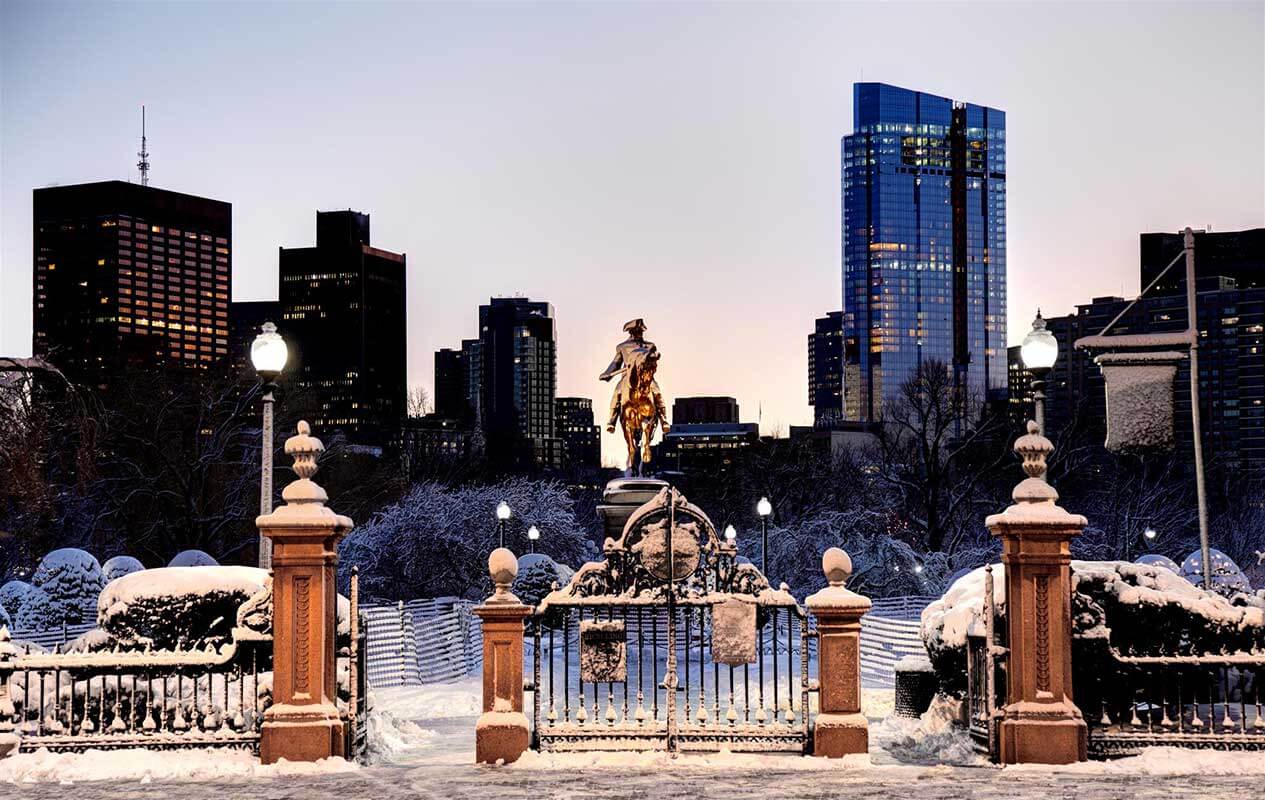
Boston is one of those cities that completely changes personality once winter settles in. Streets get quieter, brick buildings feel warmer somehow, and history seems closer when everything slows down under a layer of snow.
According to local tourism data, winter is also when Boston museums and cultural landmarks are least crowded, making it one of the best seasons for travelers who value depth over noise. So the real question is not whether Boston is worth visiting in winter, but how to do it right.
If you plan well, dress smartly, and choose the right neighborhoods, Boston in winter can feel intimate, atmospheric, and surprisingly rewarding.
Why Boston In Winter Feels Different
Winter strips Boston down to its essentials. Without summer crowds and packed tour buses, the city feels more lived-in and authentic. You notice architectural details, quiet courtyards, and neighborhood rhythms that are easy to miss in warmer months.
Cold weather also pushes life indoors, which works in your favor. Coffee shops, bookstores, museums, and historic pubs become natural gathering points. This slower pace is ideal for travelers who enjoy thoughtful wandering rather than checklist sightseeing.
A quick practical note for anyone creating travel content or documenting itineraries, winter trips often inspire detailed planning and note-taking. When turning those notes into blog posts or guides, tools like a plagiarism checker can be useful for verifying originality, especially if you reference historical facts or commonly described routes such as the Freedom Trail. Clean, original writing matters just as much as good planning.
Things To Do In Boston During Winter
Boston’s winter activities lean heavily toward culture and history, which suits the city perfectly. Walking the Freedom Trail in winter feels almost cinematic, especially early in the morning when snow softens the streets and landmarks feel undisturbed.
Museums shine this time of year. The Museum of Fine Arts and the New England Aquarium offer hours of indoor exploration without long lines. Libraries and historic buildings, such as the Boston Public Library, are also perfect winter refuges.
Did you know?
Boston has more than 50 museums within city limits, one of the highest concentrations in the United States. Winter is when locals actually go.
Outdoor Experiences Worth The Cold
While winter limits some outdoor plans, it does not eliminate them. Boston’s parks take on a quiet beauty that feels almost private. Boston Common and the Public Garden are especially peaceful after snowfall, ideal for slow walks and photography.
The Charles River Esplanade remains accessible year-round and offers crisp air and wide views that feel refreshing rather than harsh if you dress properly. Locals continue jogging and walking here even in January.
This balance between outdoor calm and indoor warmth defines Boston in winter. You step outside for atmosphere and perspective, then retreat indoors before the cold becomes tiring. It is a rhythm that works surprisingly well once you embrace it.
What To Pack For Boston In Winter
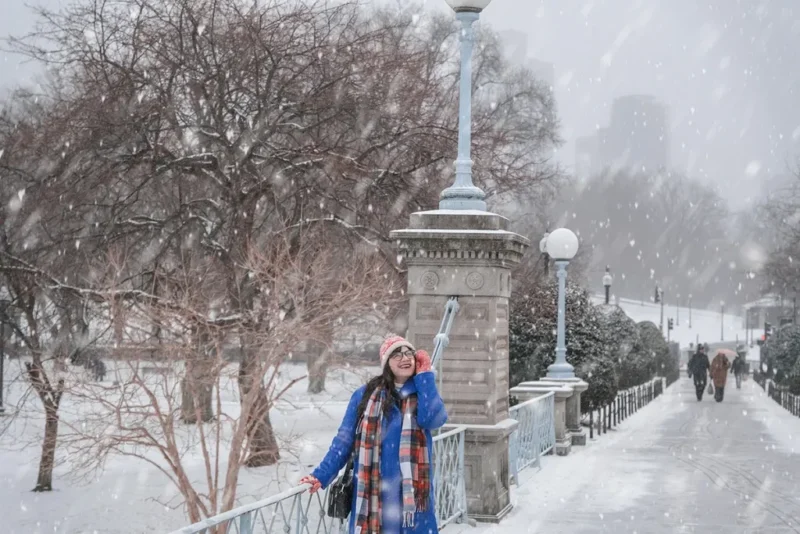
Packing correctly can make or break a winter trip to Boston. Temperatures often hover around freezing, and wind can amplify the cold significantly.
| Item | Why It Matters |
| Insulated winter coat | Wind protection is more important than style |
| Waterproof boots | Snow and slush are common |
| Thermal layers | Easy temperature control indoors |
| Gloves and hat | Essential for walking tours |
| Compact umbrella | Snow often turns to sleet or rain |
Layering is key. Buildings are well heated, so removable layers keep you comfortable indoors. Avoid overpacking bulky sweaters and focus on flexible pieces instead.
Getting Around The City In Winter
Boston’s compact layout works in your favor during winter. Many major sights are within walking distance, but public transport fills the gaps when weather turns harsh.
The MBTA, known locally as the T, operates year-round and connects most neighborhoods efficiently. While delays can happen during heavy snow, service usually remains reliable.
Rideshare services are widely available, though prices can spike during storms. Planning routes with a mix of walking and transit keeps fatigue low and flexibility high. Winter is not the time to rush. Short distances and warm stops make the city feel manageable even on colder days.
Where To Stay In Boston During Winter
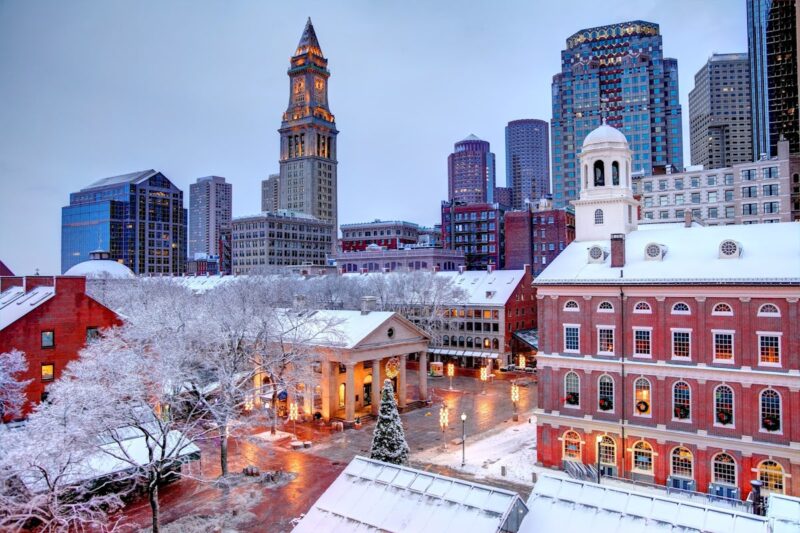
Choosing the right neighborhood matters more in winter than in other seasons. Back Bay offers central access, indoor shopping, and easy transit connections, which reduces time spent outdoors.
Beacon Hill provides charm and proximity to historic sites, though its steep streets can be slippery after snow. The Seaport District is more modern, with newer hotels and waterfront views, but wind exposure can be stronger.
Winter hotel rates are often lower than peak seasons, making this a good time to upgrade comfort without stretching your budget. Prioritize proximity to transit and dining options to minimize cold-weather logistics.
Food, Cafes, And Winter Comfort
Boston’s food scene feels tailor-made for cold weather. Hearty New England dishes, seafood chowders, and warm baked goods dominate winter menus.
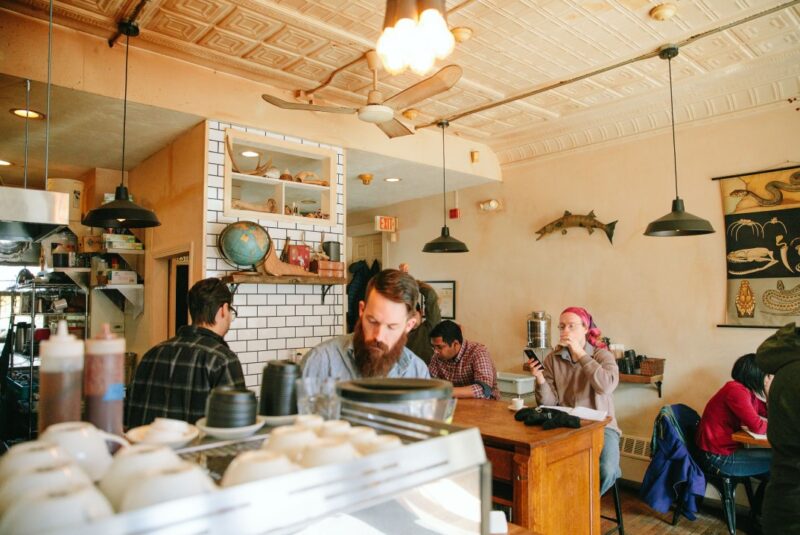
Neighborhood cafes become daily anchors, places to warm up, plan routes, and watch snowfall through fogged windows. This slower dining rhythm encourages longer meals and deeper exploration of local spots rather than rushed tourist dining.
Blockquote fact:
Boston is considered one of the birthplaces of American coffeehouse culture, with taverns and cafes historically serving as centers of debate, writing, and planning since colonial times.
Winter reconnects the city to that tradition of conversation and lingering indoors.
Final Thoughts On Visiting Boston In Winter
Boston in winter rewards travelers who appreciate mood, history, and thoughtful pacing. It is not about packing every hour with activities, but about choosing meaningful experiences and giving them space.
With the right clothing, realistic expectations, and a flexible plan, winter becomes an advantage rather than a limitation. You gain quieter streets, easier museum access, better hotel prices, and a more personal connection to the city.
If you enjoy cities that reveal themselves slowly and reward attention to detail, Boston in winter is not just a good idea, it might be the best time to go.