

Minnesota’s real estate market is entering a period of normalization in 2026 after the volatility tied to the pandemic and the rapid appreciation seen during 2021 and 2022.
National and local indicators point toward a moderate reset rather than a crash or bubble burst.
Buyers and sellers are now operating in a more balanced and strategic environment, where timing, affordability, and location shape outcomes more than speculation or urgency.
Let’s see what we can expect for the Minnesota real estate market in 2026.
National Housing Trends Shaping 2026

A shift toward balance defines the national housing outlook for 2026 after years of volatility, limited supply, and rapid pricing pressure.
Market activity reflects recalibration rather than contraction, with gradual improvements tied to income growth, stabilizing prices, and modest financing relief.
Buyers, sellers, and renters are entering a period marked by calculation instead of urgency.
The “Great Housing Reset”
Early stages of a long-term rebalancing characterize 2026, with indicators pointing toward normalization instead of disruption.
Price growth has slowed to a pace aligned with economic fundamentals, while lending conditions show incremental improvement.
Several metrics highlight how adjustment is unfolding nationwide:
- Median U.S. home-sale prices projected to rise about 1% year over year
- Average mortgage rates expected near 6.3%, down compared with 2025 levels
- Wage growth projected to exceed home price growth for the first time since the Great Recession
- Existing home sales forecast to increase about 3% to roughly 4.2 million units
- Mortgage refinance volume projected to rise close to 30% as homeowners refinance at rates above 6%
Affordability pressure remains present, though easing trends suggest gradual relief rather than sudden change.
Households benefit most when stable employment aligns with improved purchasing power.
Rental Market Trends
Rental housing continues to play a central role in housing decisions in 2026.
Slower construction activity combined with steady household formation supports moderate rent growth.
National expectations place rent increases near inflation, though outcomes vary by metro area.
Rent growth trends include the following dynamics:
- National rent increases are projected between 2% and 3%
- Slower apartment development is creating a tighter supply in select regions
- Minneapolis–St. Paul identified a market expected to heat up due to affordability and climate resilience
Renting increasingly serves as a planned strategy for households prioritizing flexibility or delaying ownership until affordability improves further.
Local Market Dynamics: Twin Cities and Greater Minnesota
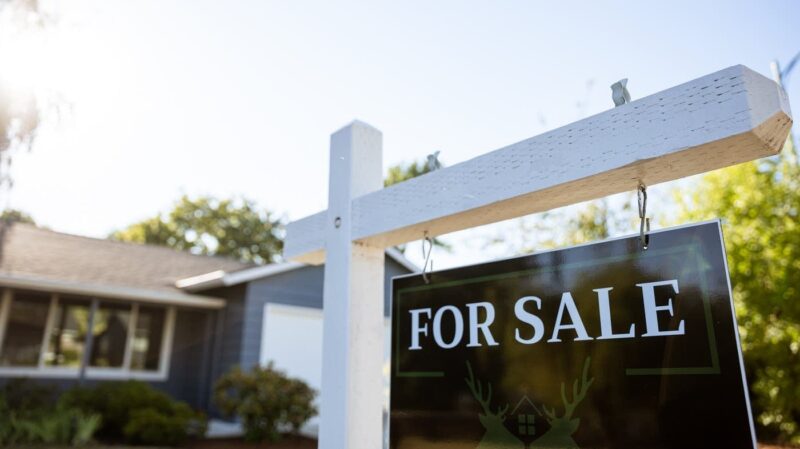
Regional conditions across Minnesota reflect many national patterns, with local factors shaping outcomes across metro, suburban, and rural areas.
Employment stability, household mobility, and measured inventory growth support continued activity without extreme volatility.
Twin Cities Outlook
Gradual inventory expansion across the Twin Cities is shifting leverage closer to balance. Buyers gain negotiating room while sellers encounter a more selective audience. Several conditions define metro-area performance entering 2026:
- Rising inventory levels offering broader choice
- Homeowners reentering market after extended holding periods
- Moderate and sustainable price growth across Plymouth, Maple Grove, Edina, and Woodbury
Buyer confidence has improved, leading to quicker sales in certain neighborhoods.
Price appreciation in established areas such as Edina and Southwest Minneapolis is expected to slow due to higher existing values rather than weakening demand.
Suburban and Rural Expansion
Space, affordability, and new construction continue driving interest outside the urban core. Outer-ring counties attract buyers priced out of central neighborhoods or seeking lifestyle flexibility.
Growth trends include expanded activity across Carver, Wright, and Chisago Counties, along with new construction delivering inventory within the $350,000 to $550,000 range.
A strong regional job base and respected public school systems support consistent demand across urban, suburban, and exurban communities.
Mortgage Rate Expectations
Interest rate forecasts for 2026 reflect modest improvement rather than dramatic change.
Most projections cluster within a narrow range, signaling stability and predictability for financing decisions.
Key expectations shaping borrower behavior include:
- Average 30-year fixed rates near 6.3%
- Potential declines toward 5.9% by year-end
- Forecast ranges between 6.0% and 6.2% across major housing analysts
Affordability relief tied to rates remains limited, particularly for first-time buyers and Gen Z households.
Payment sensitivity remains high due to insurance costs, taxes, and elevated home values.
Buyer’s Perspective: Is 2026 the Right Time to Buy?

Purchase decisions during 2026 require discipline and preparation rather than speculation. Improving fundamentals offer opportunity, though challenges remain tied to total ownership costs.
Reasons to Consider Buying
Gradual affordability improvement supports buyer entry, especially for households with stable income and long-term plans. Inventory growth also reduces competitive pressure.
Advantages shaping buyer decisions include improved wage growth relative to prices, expanded inventory reducing bidding intensity, increased availability of suburban and mid-priced homes, and Minneapolis ranking among markets expected to heat up due to affordability and climate resilience.
Challenges for Buyers
Ownership costs remain elevated even as rates ease. Insurance premiums, property taxes, and price inflation continue to affect monthly budgets.
Renting may still cost less in certain urban areas, particularly for lower-income households.
Down payments and closing expenses continue presenting barriers, reinforcing the importance of financial readiness over rate timing.
Seller’s Perspective: Is It Time to List?
Seller strategy in 2026 centers on preparation, pricing discipline, and presentation.
Equity positions across Minnesota remain strong, supporting confidence among potential sellers.
Reasons to Consider Selling
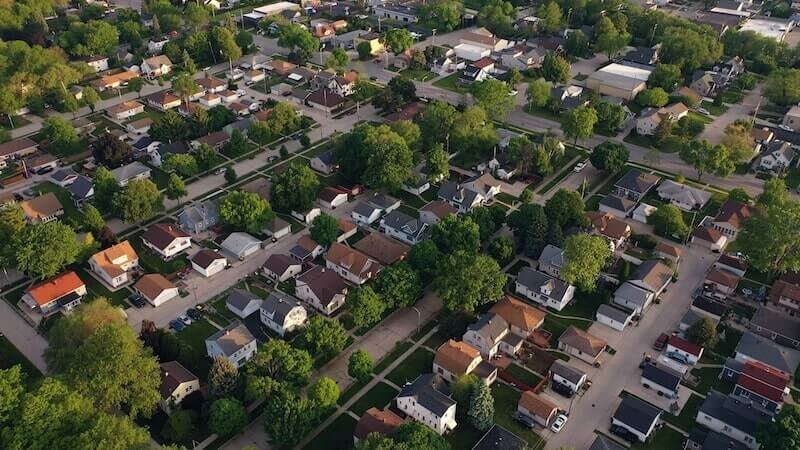
Growing buyer activity continues to support transaction volume during 2026, particularly for homes priced accurately and aligned with current market expectations.
Buyers are active, informed, and selective, rewarding properties that demonstrate clear value rather than aspirational pricing. Correct positioning often results in smoother negotiations and shorter time on market.
Stable demand remains present across established markets such as Woodbury, Edina, and St. Paul. These areas benefit through consistent buyer interest driven by:
- Location
- Schools
- Long-term desirability
Sellers in these markets gain an advantage by presenting homes that feel move-in ready and well-maintained.
Property improvements carry increased importance in a selective environment.
Interior updates, decluttering, professional staging, and landscaping enhancements can materially influence buyer perception and final sale price.
Exterior features play a larger role than in previous years, as buyers increasingly value outdoor functionality and visual appeal.
Water features offer a strong opportunity for differentiation.
Installation of fountains for lakes or ponds on properties with existing water features can increase perceived value and strengthen emotional connection during showings.
Moving water adds visual interest, sound, and a sense of care and investment in the property.
Challenges for Sellers
Higher inventory reduces urgency, placing pressure on pricing accuracy. Overpricing risks extended market time as buyers compare options carefully.
Property condition carries greater weight in determining the final sale value.
Seasonal patterns suggest spring 2026 offering favorable conditions, though preparation often begins months earlier.
Rental Market Trends

Rental conditions across Minnesota reflect a tightening supply combined with steady demand.
Multifamily development slowed during 2025, shaping availability in urban markets.
Midwest regions may experience faster rent growth due to lagging apartment construction.
Renting continues serving as an intentional choice as ownership remains financially challenging for many households.
Demographic changes and immigration enforcement patterns may also influence regional demand trends.
Key Market Opportunities in Minnesota for 2026
Opportunities across Minnesota vary by geography, price point, and timing. Strategic decisions rely on aligning financial readiness with local market behavior.
Hot Zones to Watch
Urban cores within Minneapolis and St. Paul benefit from job growth, cultural activity, and improved affordability.
Suburban growth corridors such as Woodbury, Maple Grove, Edina, and Plymouth continue showing consistent demand.
Outer-ring counties, including Carver, Chisago, and Wright, attract buyers focused on value and additional space.
Strategic Timing Tips
Early entry during 2026 may benefit buyers ahead of spring competition.
Sellers gain an advantage by preparing properties duringthe winter months for second-quarter listings.
Homeowners carrying mortgage rates above 6.5% to 7% may find refinancing opportunities during mid to late 2026 as rates soften gradually.
The Bottom Line
Conditions across Minnesota and the broader U.S. housing market in 2026 reflect a return to measured decision-making after years driven by urgency and constraint.
Stability in pricing, gradual improvement in affordability, and more predictable mortgage rates support a calmer environment for buyers, sellers, and renters.
Opportunities exist, though success depends on preparation, financial discipline, and local market awareness.