
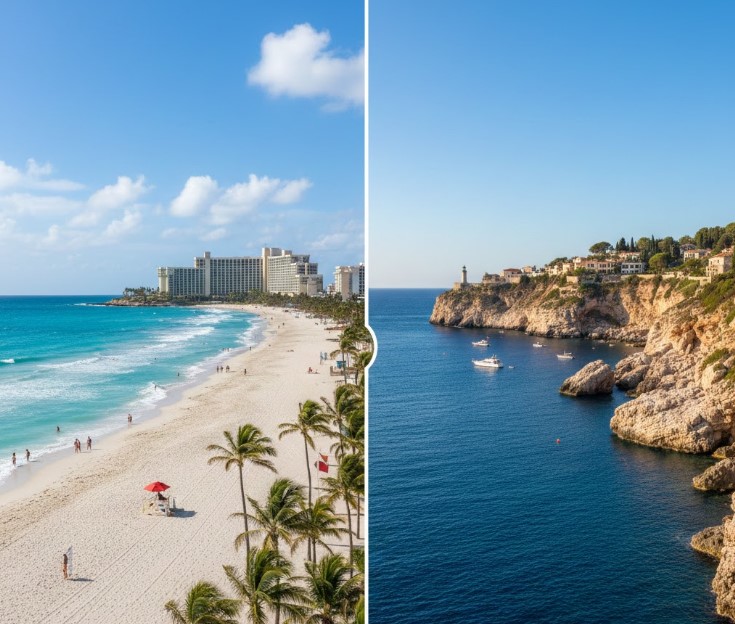
Few travel debates feel as timeless as choosing between Florida’s Atlantic Coast and the Mediterranean. Both promise sun, warm water, historic towns, outdoor living, and food worth planning a vacation around.
Each region delivers its own rhythm of life and climate patterns that quietly shape everything from beach days to dinner reservations.
A closer look at seasons, weather, and attractions reveals how each destination suits different travel styles and expectations.
Climate Foundations: Two Warm Regions, Two Very Different Systems
Florida Atlantic Coast Climate Profile
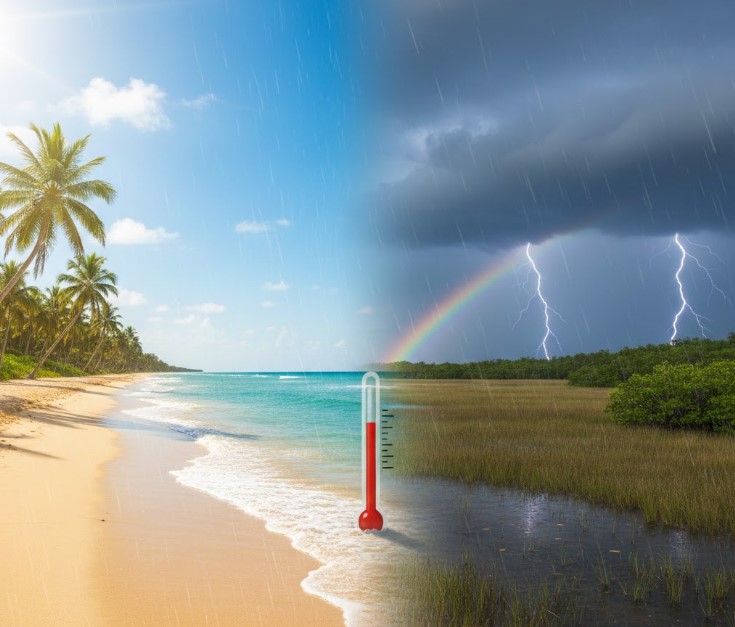
Florida’s Atlantic shoreline stretches from Jacksonville down through Miami, a ribbon of sand shaped by subtropical and tropical influences. The region runs on a two-season calendar, more than four.
Warm Season
May through October
Cooler Season
November through April
Summer dominates the year. Daytime temperatures often sit between 85°F and 92°F from June through September, while nighttime stays balmy, usually in the high 70s. Ocean temperatures feel like bathwater for months at a time, commonly between 80°F and 86°F.
Humidity defines the experience. Afternoon thunderstorms appear regularly during summer, often intense, brief, and oddly refreshing. Hurricane season runs from June through November, with peak activity from August to October.
Winter offers relief. Highs during January and February hover around 70°F to 75°F. Water temperatures dip into the low 70s, still swimmable for many visitors.
Mediterranean Climate Profile
The Mediterranean Basin runs across southern Europe, parts of North Africa, and the eastern edge of the Middle East. Climate feels more varied by region yet follows a shared pattern.
| Warm Season May through September |
Mild Season October and April |
Cooler Season November through March |
Summers remain hot and dry. July and August often see daytime highs of 85°F to 95°F in Greece, southern Italy, southern Spain, and Cyprus. Humidity stays lower than in Florida, creating a more tolerable heat even when temperatures climb.
Winters stay mild along the coast. January daytime temperatures usually range between 50°F and 65°F. Sea temperatures cool significantly, often dropping into the low 60s or high 50s.
Rainfall concentrates in late fall and winter. Summer brings weeks of uninterrupted sunshine.
Warm Water Seasons Compared
Florida Atlantic Coast Water Conditions
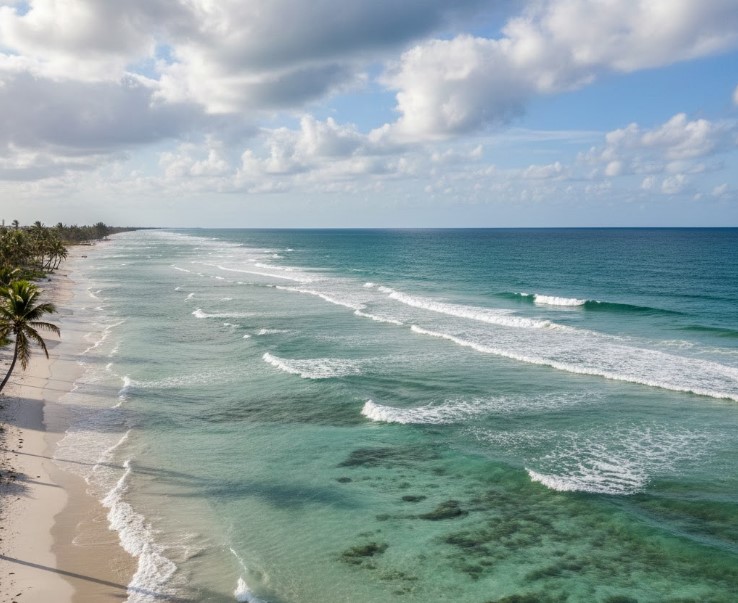
Florida offers one of the longest warm-water swimming seasons in the world.
| Month | Average Ocean Temperature |
|---|---|
| January | 71°F |
| February | 70°F |
| March | 72°F |
| April | 74°F |
| May | 78°F |
| June | 82°F |
| July | 85°F |
| August | 86°F |
| September | 84°F |
| October | 80°F |
| November | 76°F |
| December | 73°F |
Swimming feels comfortable almost year-round, with summer and early fall offering exceptionally warm water.
Mediterranean Water Conditions
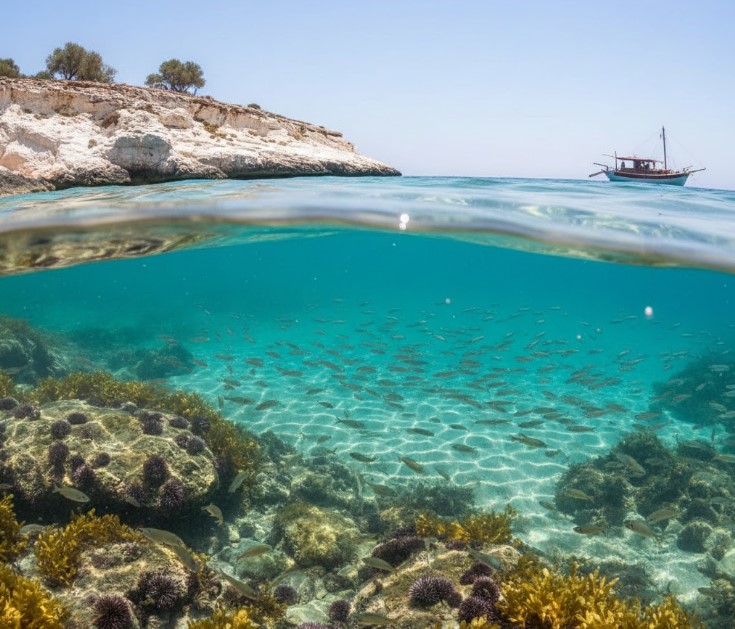
The Mediterranean warms more slowly and cools more dramatically.
| Month | Average Sea Temperature |
|---|---|
| January | 58°F |
| February | 57°F |
| March | 58°F |
| April | 61°F |
| May | 65°F |
| June | 71°F |
| July | 75°F |
| August | 78°F |
| September | 75°F |
| October | 71°F |
| November | 66°F |
| December | 61°F |
Prime swimming season usually runs from mid-June through late September. August brings the warmest water across nearly every Mediterranean coastline.
Daily Weather Experience
Living With Florida’s Weather
Florida weather stays dramatic and active. Mornings begin bright, humid, and already warm. By early afternoon, towering clouds roll in. Thunderstorms deliver bursts of rain, thunder, lightning, and then clear skies again.
Travelers often schedule beach mornings and city exploring before lunch, reserving indoor activities for mid-afternoon. Evenings feel tropical and lively.
Humidity remains constant. The air feels heavy during the summer months. Clothing choices matter; light fabrics become essential.
Mediterranean Daily Rhythm
Mediterranean days feel calmer and more predictable. Summer mornings start warm, heat builds steadily through midday, then softens by evening. Little rain falls for weeks.
Siestas remain practical rather than cultural stereotypes. Many coastal towns grow quieter between 1 p.m. and 4 p.m. Outdoor life resumes at sunset.
Dry heat allows long walking days without the fatigue common in Florida’s humidity.
Coastal Landscapes and Natural Appeal
Florida Atlantic Coast Highlights
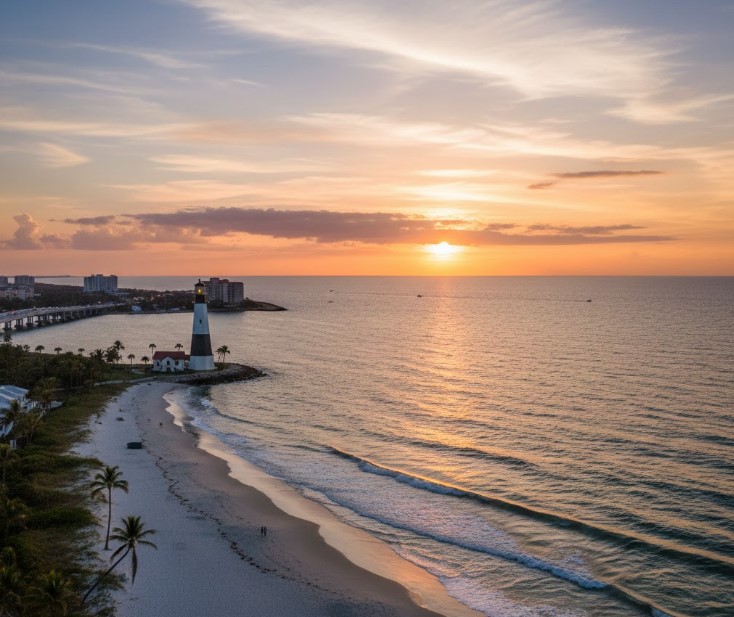
Florida’s Atlantic shoreline offers:
- Long sandy beaches stretching for miles
- Palm-lined promenades
- Barrier islands and inlets
- Coral reefs near Miami and the Keys
- Mangroves and estuaries
Cities like Miami, Fort Lauderdale, Palm Beach, and Daytona Beach sit right on the water. Surf culture thrives along the Space Coast. Sea turtle nesting season adds a seasonal wonder from May through October.
Mediterranean Coastal Variety
Mediterranean scenery changes from region to region:
- Rocky cliffs of the Amalfi Coast
- White-sand beaches in Sardinia
- Pebble coves of Croatia
- Golden shores of southern Spain
- Volcanic black beaches of Greece
- Turquoise lagoons in Cyprus
Historic villages often cling to hills above the sea. Harbors and marinas anchor coastal life.
Midway through any Mediterranean journey, many travelers start eyeing longer stays near the water. Properties such as those showcased at goldencoast.com represent how modern coastal living blends with ancient shoreline traditions, especially across Cyprus’s sun-drenched southern coast.
Main Attractions and Experiences
Florida Atlantic Coast Attractions
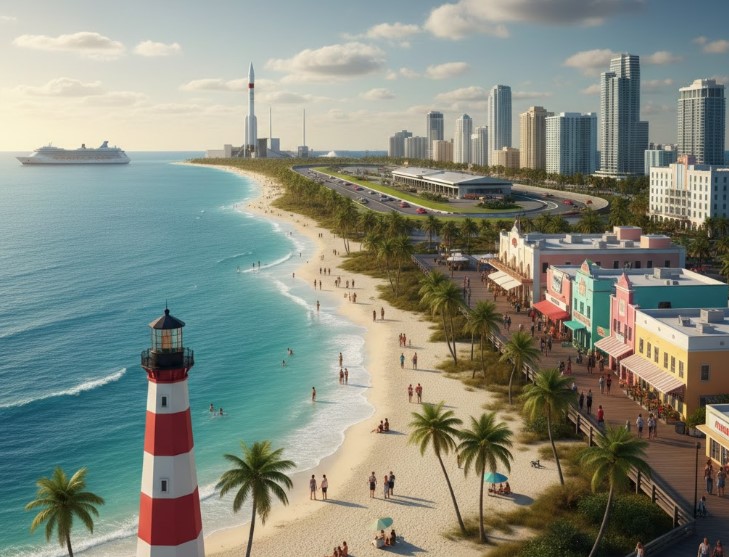
Florida delivers large-scale attractions alongside natural beauty.
Urban and Cultural
Wynwood Walls and Design District
Palm Beach architecture and society history
Kennedy Space Center near Cape Canaveral
Nature and Adventure
Biscayne National Park snorkeling
Atlantic surf breaks
Deep-sea fishing charters
Manatee encounters in nearby inland waterways
Entertainment
World-class shopping malls
Nightlife districts
Cruise ports serving the Caribbean
Mediterranean Attractions
Mediterranean travel leans heavily into history, cuisine, and lifestyle.
|
Historical
• Acropolis in Athens
• Colosseum in Rome • Alhambra in Spain • Ephesus in Turkey • Medieval old towns across Croatia |
Food and Wine
• Greek tavernas by the sea
• Italian coastal trattorias • Spanish seafood paella • French Riviera markets • Lebanese mezze spreads |
Outdoor Living
• Island hopping
• Yacht charters • Cliffside hikes • Sunset dinners overlooking harbors |
Cities and villages feel layered with centuries of human presence.
Cost and Accessibility
Florida Travel Costs

Florida remains one of the most accessible warm destinations for North American travelers.
- Large international airports
- Competitive hotel pricing outside the peak winter season
- No passport required for US citizens
- Abundant rental cars and domestic flights
Peak season runs from December through April when snowbirds arrive.
Mediterranean Travel Costs
Costs vary widely by country and season.
Southern Europe remains affordable outside July and August. Island destinations and famous coastal towns climb in price during summer.
Travel involves longer flights, occasional ferries, and border crossings. Experience often feels richer per mile traveled.
Seasonal Planning Guide
| Factor | Florida Atlantic Coast | Mediterranean |
|---|---|---|
| Best beach months | April – October | June – September |
| Peak crowds | January – March | July – August |
| Lowest prices | Late summer, early fall | November – March |
| Hurricane risk | June – October | Minimal |
| Rainiest period | Summer afternoons | Winter |
Lifestyle Feel
Florida’s Atlantic Coast runs fast, modern, and energetic. Miami pulses late into the night. Beach culture blends with urban life. Service industries operate at full speed.
Mediterranean coastal life feels slower and deeply rooted. Long lunches, evening promenades, seasonal food, and generational communities create a grounded atmosphere.
Both regions reward time. Short trips satisfy. Longer stays reveal personality.
Choosing Between Both
Florida suits travelers seeking convenience, nonstop activity, and year-round warm water. Mediterranean travel suits visitors craving layered history, culinary exploration, and dry summer heat with cooler evenings.
Some travelers eventually rotate between both worlds. Winter in Florida. Summer along the Mediterranean.
Few combinations compare.
Closing Thoughts
Florida’s Atlantic Coast and the Mediterranean both hold legendary status for good reason. Weather, water, culture, and attractions offer distinct flavors of coastal life. Choice often comes down to rhythm, comfort, and personal taste. Either direction promises long sunlit days, memorable meals, and the kind of scenery that lingers long after returning home.