
Orlando has a reputation for draining vacation budgets fast.
Tickets to major theme parks can take a big bite out of a trip fund before anyone buys a meal.
Hotels can add parking fees, resort fees, and higher nightly rates during busy travel periods.
Toll roads, rental cars, souvenirs, snacks, and last-minute attraction choices can push costs even higher.
Budget travel to Orlando is still possible when planning starts before the car leaves home.
A road trip gives families and groups more control over timing, luggage, meals, stops, and transportation costs.
That is why we would like to talk about a road trip of this type in greater detail.
Start With the Drive vs. Fly Reality Check
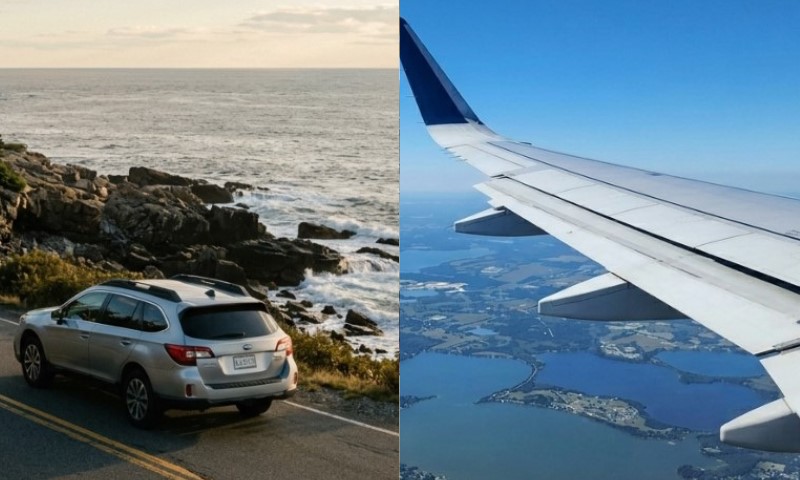
Many travelers compare driving and flying by looking only at airfare. That approach misses most of the true vacation cost.
A fair comparison needs to count every major expense tied to each choice. Before picking plane tickets or loading the car, compare these costs side by side:
- Flights for every traveler in the group
- Rental car in Orlando
- Airport transfers
- Checked bags
- Gas
- Road-trip meals
- Overnight stops
- Parking
- Tolls
Family travel can change the math quickly. One family of four priced holiday flights plus a rental car for a little more than a week and estimated a total cost of $3,500 to $4,000.
Driving costs, including gas, food, and lodging, were expected to stay under $500 each way.
In that example, driving cost roughly one quarter of the overall total, with another practical benefit: the family could use its own car and car seats.
Broader airfare data support the same concern. The Bureau of Transportation Statistics reported a 2025 average domestic itinerary fare of $387.
For four travelers, airfare alone would average about $1,548 before checked bags, airport transfers, rental car costs, parking, tolls, or meals.
Solo travelers may sometimes find flying cheaper, especially when airfare is low, and rental-car needs are limited. Larger groups often see a different result.
Gas, tolls, and a hotel night can be split among passengers, while airline tickets rise with each additional person.
For families, driving often becomes cheaper per person even after adding meals, fuel, and an overnight hotel.
Fuel estimates should be checked before a final decision. Useful planning tools can help travelers test the route before committing:
- AAA offers a road-trip fuel-cost calculator.
- gov helps travelers plan a route, estimate fuel costs, and compare vehicles.
- A midsize car, minivan, SUV, or hybrid can produce very different totals on a long East Coast to Orlando route.
Good planning also accounts for comfort. Personal vehicles make it easier to pack snacks, strollers, car seats, blankets, coolers, and extra clothes without checked-bag fees.
That convenience does not erase the need for a budget, but it can make the trip easier and less expensive for families.
Choose the Right East Coast Route, Not Just the Fastest One
Budget road trips depend on controlled mileage, affordable overnight stops, efficient breaks, and limited detours.
A route that saves thirty minutes but adds tolls, higher hotel costs, or stressful traffic may not be the best value.
Different East Coast starting areas call for different budget choices:
- Northeast travelers can often save money by breaking up the drive before reaching Florida coast.
- Mid-Atlantic travelers can focus on efficient routes through Virginia, the Carolinas, or Georgia.
- Southeast travelers may add coastal or nature stops, as long as extra mileage stays limited.
Season, weather, trip length, and available time should shape the route. Food stops, bathroom breaks, and rest periods need real space in the schedule.
Overpacking a day with too many miles can lead to expensive convenience meals, rushed hotel choices, and tired driving.
A coastal Orlando-to-Savannah style route can include Amelia Island, Jekyll Island, St. Simons Island, and Savannah, but that kind of trip works best with at least a week available.
Those places can add real value when treated as planned daytime breaks or selected overnight stops.
Problems start when every pretty stop becomes a paid hotel night, restaurant meal, or extra activity.
East Coast travel can include historic sites, beach towns, mountain towns, culinary stops, and scenic areas across 14 states and four distinct seasons.
Budget travelers should use those options carefully. A short walk, picnic, waterfront break, or photo stop can add vacation value without turning into another major expense.
Pick Orlando Lodging Based on Total Trip Cost

Orlando hotels should be compared by total trip cost, not only by the number shown in search results.
A better hotel comparison should include the costs and conveniences that change the final bill:
- Parking fees
- Resort fees
- Breakfast
- Dinner or half-board options
- Kitchenette access
- Microwave or fridge access
- Shuttle options
- Distance to planned activities
- Toll exposure
- Daily drive time
Travelers who want help comparing hotel options, supplier packages, or Orlando-area booking choices can also work with a travel advisor through Yeti Travel, which notes access to major travel companies, including Disney, Universal Studios, Marriott, Viator, Royal Caribbean, and more.
Free parking can matter a lot for travelers using their own car. A convenient location can also reduce gas, tolls, parking charges, and daily stress.
One Orlando traveler picked a half-board hotel in a convenient location and described the property as a short drive to activities.
Breakfast and dinner reduced pressure while visiting the area. That type of setup can be useful for families who want predictable food costs and less time spent looking for meals.
Mandatory fees deserve close attention. As of May 2026, ResortFeeChecker listed 116 Orlando hotels with resort fees or other mandatory fees.
Those charges can make a low advertised rate much less attractive. Travelers should check the full booking page and final checkout total before committing.
Build a Route Budget Before Booking Anything
A road-trip budget should be built before booking hotels or buying attraction tickets. Clear categories make hidden costs easier to catch.
Driving days should usually cost less because meals can be simple, lodging can be practical, and paid attractions can be limited.
Orlando days may cost more, especially when major attractions are planned, but free and low-cost activities can balance those higher days.
Several lower-cost or free options can anchor lighter spending days:
- Lake Nona Sculpture Garden has free entry and covers 50,000 square feet.
- Disney Springs is free to visit, and parking is also free, but merchandise, gifts, snacks, and meals can quickly turn a free stop into an expensive one.
- Gatorland can be treated as a roughly $50 activity, with a 110-acre park and more than 2,500 gators.
- Harry P. Leu Gardens has been listed at $15, with free parking and 50 acres of gardens.
Tolls deserve a specific line in the budget. Florida’s Turnpike toll calculator lets travelers select payment type, vehicle axles, trip region, facility, and exits.
SunPass transponders can be used on Florida toll roads, bridges, and managed lanes, and they receive the lowest toll rate in Florida. Planning tolls ahead of time helps prevent surprise charges after the trip.
Families may want one bigger experience, a special meal, or a paid attraction day.
Setting aside money for one or two priorities allows travelers to enjoy Orlando without letting impulse spending control the whole trip.
Plan Overnight Stops Around Value, Not Famous Destinations
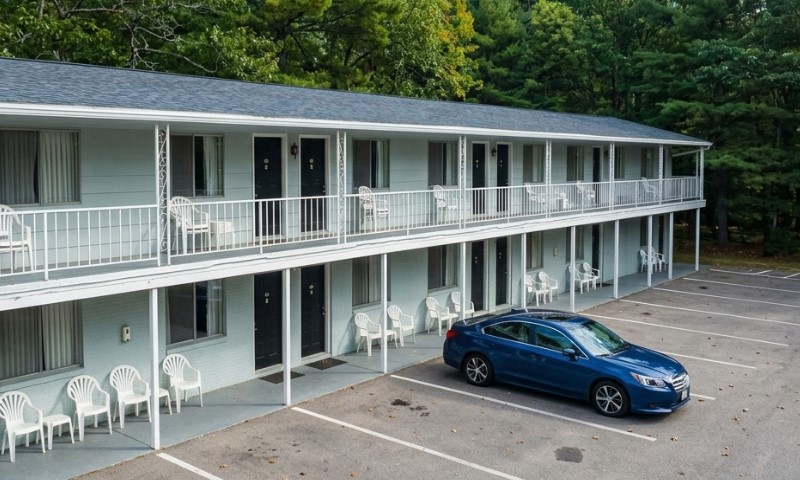
Famous cities, island areas, beach towns, and theme-park-adjacent hotels often cost more, especially for single-night stays.
A hotel that looks reasonable at first can become expensive after parking, taxes, resort fees, and dinner nearby.
Value-based stops usually sit just outside major cities, near highway exits with multiple hotel options, or in towns with free breakfast and free parking.
Those locations may not sound exciting, but they can reduce costs and keep the drive simple.
A clean, safe, well-priced hotel near the route often beats a premium stop that adds traffic, higher meals, and extra miles.
Some scenic segments are better as short breaks than overnight plans. Distance and timing matter here:
- Charleston to Savannah can be only 107 miles and about two hours, making it easier to treat as a daytime side trip instead of a costly hotel commitment.
- Raleigh to New Orleans runs just under 1,000 miles and about 15 hours of driving.
- Raleigh to New Orleans could technically be completed in two days, but it works better over a week or two.
That contrast shows why “possible” and “budget-friendly” do not always mean the same thing.
Adding too many premium stops can damage the budget even when each one sounds reasonable on its own. Extra nights, parking charges, attraction tickets, and restaurant meals add up fast.
Safe driving still requires enough time for food, bathrooms, and rest, so the goal is not to race. Better planning means spacing stops in a way that protects both money and energy.
Save on Food Before and During the Drive
View this post on Instagram
Packing ahead also makes each driving day smoother because every stop does not need to become a purchase.
A simple car food setup can reduce spending right away:
- Cooler
- Refillable water bottles
- Breakfast items
- Snacks
- Easy lunches
- Road-trip coffee or drinks
Grocery-store breakfasts and lunches work especially well on travel days.
Restaurant meals can be saved for destination stops or planned breaks that actually matter.
Hotels with breakfast can also be a good value when the price difference makes sense. A slightly higher room rate may still beat buying breakfast for an entire family.
Chips, candy, bottled drinks, coffee, and small toys can turn a fuel stop into a $25 or $40 stop before anyone notices. Keeping snacks and drinks in the car helps prevent that pattern.
One traveler chose a half-board hotel because breakfast and dinner made mornings and evenings easier while visiting Orlando.
That hotel was around the $200 mark at the time of stay, though the rate changed by season. Half-board will not always be the cheapest option, but it can reduce decision fatigue and limit restaurant spending.
Free Orlando activities still need spending discipline. Disney Springs may have free entry and free parking, but shopping, snacks, and souvenirs can turn the visit into a pricey outing.
Treat free stops as free only when food, drinks, and purchases are controlled.
FAQs
Closing Thoughts
You should budget the boring stuff first. Gas, tolls, parking, meals, resort fees, and overnight stops may not feel exciting, but they decide how much money is left for fun.
For a family, savings can be substantial. A holiday flight-and-rental-car estimate of $3,500 to $4,000 compared with driving at less than $500 each way shows how much the transportation choice can change the entire trip budget.
Orlando also has enough free and lower-cost activities to build a trip that does not rely only on major theme parks. Paid attractions can still fit the plan when they are chosen on purpose.