
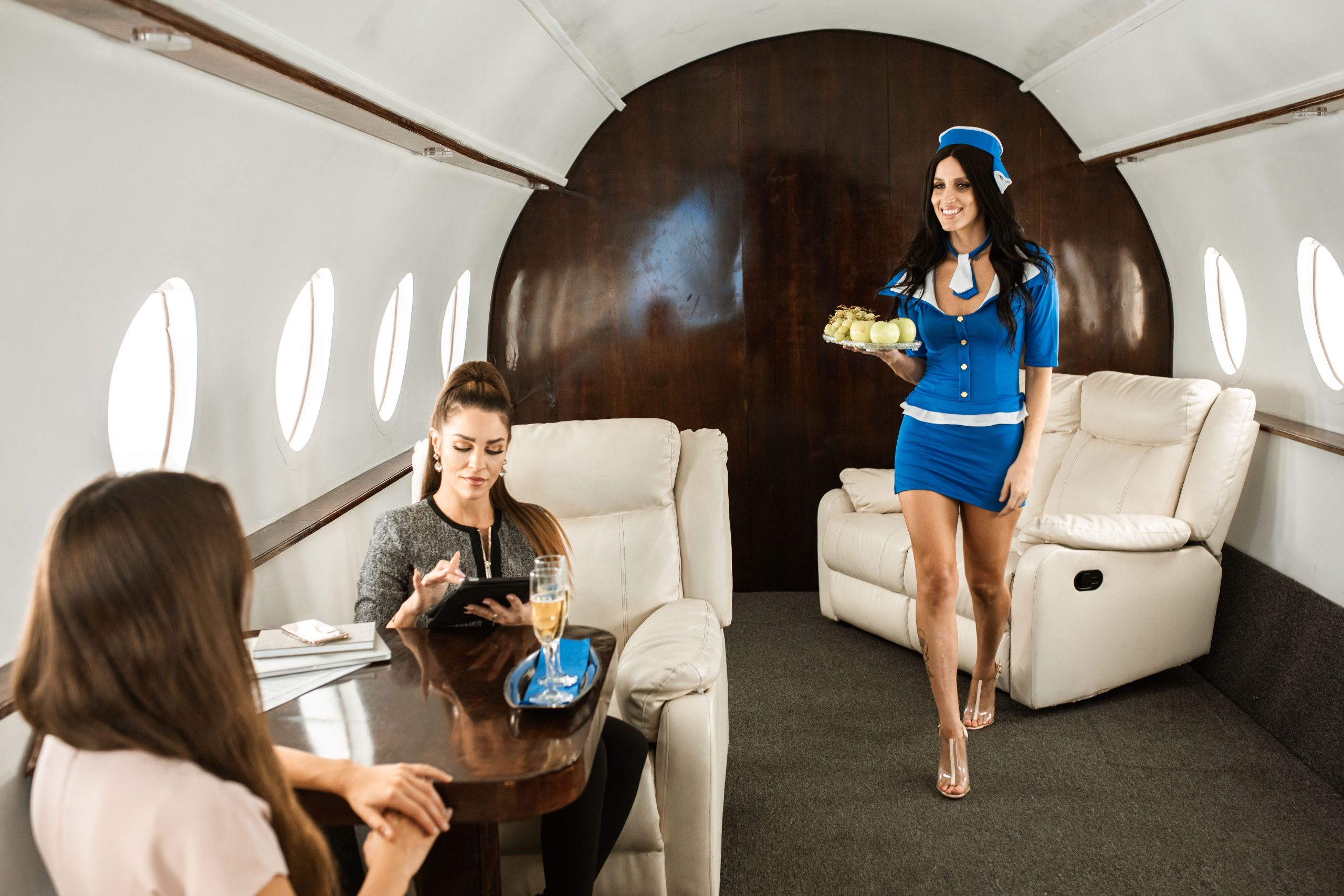
From the outside, VIP travel can look like a procession of private jets, villas and hard-to-book tables. Those are visible markers, but they do not explain why an ultra-wealthy traveler hires an advisor, charters a yacht or pays for a hotel team to remember small preferences. The product is control: over time, privacy, uncertainty and access.
That distinction matters to the industry. A costly trip can still feel ordinary if it is generic, over-scheduled or full of avoidable friction. The strongest luxury operators are not adding more spectacle; they are removing the points at which a guest has to stop and manage the trip themselves.

Privacy is valuable; isolation is not
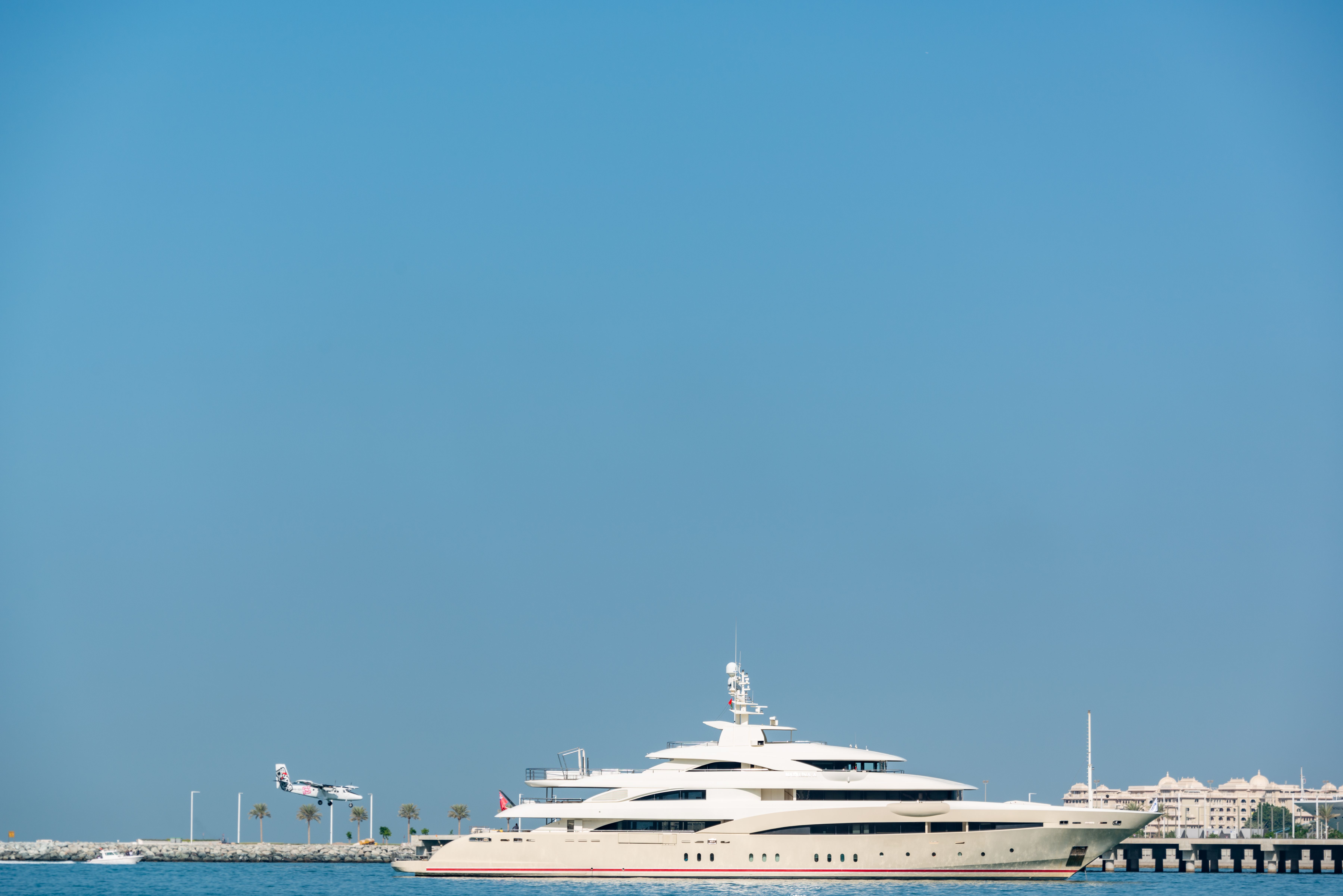
Private aviation, yacht charters and exclusive-use villas all offer something beyond status: control over who shares the space and when the day begins. A family can move at its own pace, bring staff or children without adapting to a group timetable, and make last-minute changes without turning them into a public negotiation.
But privacy does not mean wanting to be sealed away from the destination. The point is often to reach a place, person or experience without queues and logistical drag, then return to quiet. The 2025 Virtuoso Luxe Report, based on input from more than 2,200 travel advisors across 58 countries, put exclusive-use stays among the year’s leading luxury-travel trends, alongside authenticity and cultural immersion. That mix is revealing: seclusion works best when it creates room for connection, not when it replaces it.
Personalization means remembering the right things
Luxury hotels have long offered high thread counts and polished service. The more telling test is whether a stay reflects what the guest actually values: a quiet room away from the lift, a meal timed around a late arrival, a family-friendly setup, or space for a preferred daily routine. Personalization is not a room full of expensive surprises. It is relevance without repeated explanation.
There is a boundary, too. An attentive team should use information the traveler has chosen to share, not make a performance of knowing private details. I think the industry sometimes mistakes data collection for care. A discreet question asked at the right moment can feel more luxurious than a supposedly clever system that guesses wrong.

The concierge is selling judgment, not just reservations
High-end guests can search for restaurants and hotels themselves. What they often pay an advisor or concierge for is judgment: which option is worth the time, which local operator can deliver, what needs advance coordination, and what to do when the plan changes. In Flywire’s March 2025 survey of more than 500 U.S. ultra-luxury travelers, 96% said travel advisors were key to curating luxury experiences, while 92% said luxury was more about access to authentic people, places and experiences than exclusive accommodation alone.
Those figures come from a company operating in travel payments, so they should not be treated as a universal census. Still, they underline a practical point: access is not simply a locked door opened for a wealthy guest. It is a coherent introduction, with the right guide, timing and context. The same thinking applies to a hotel concierge who solves a transport snag before it consumes an evening.
In an urban itinerary, guests may also plan how to spend unscheduled evenings, from live performances and late dining to social company. Visitors researching Munich nightlife may encounter services such as escort München as one part of that wider city-service landscape.
Wellness often means having fewer decisions
For some travelers, wellness is a retreat or a specialist treatment. For others, it is a slower itinerary, a private transfer instead of a crowded connection, or permission to leave a day open. Flywire’s survey found that 97% of respondents were likely to travel to reduce stress, anxiety or unplug, and 84% described vacations as being about the “joy of missing out.” In this market, doing less can be a deliberate, high-value choice.
That makes over-programming a surprisingly common service failure. A trip packed with exclusive activities can become another schedule to obey. Good planning provides options and handles the arrangements, then leaves enough breathing room for the guest to change their mind.

Frictionless service still has to be responsible
Convenience is not limited to the flight or hotel. Clear payment terms, a usable point of contact and a credible backup plan matter because a small failure can consume a disproportionate amount of a carefully planned trip. Flywire also reported that 72% of its surveyed travelers were concerned about payment security. For providers, straightforward billing and careful handling of personal details are part of hospitality, not back-office chores.
There is a harder question behind the language of “hidden gems” and exclusive access: what happens to places that become fashionable? In a May 2025 report, The Guardian described Mallorca’s Caló des Moro, a cove with capacity for about 100 people, receiving roughly 4,000 visitors a day after social-media promotion. VIP operators cannot fix destination pressure alone, but they can avoid treating fragile places as private backdrops. Responsible curation may mean choosing a quieter season, hiring local specialists, or recommending somewhere else.
I would argue that this is not an optional ethical flourish. Local knowledge and healthy destinations are part of what makes a trip feel distinctive in the first place. If the experience degrades the place it advertises, exclusivity has become extraction.
What the industry is really selling
Ultra-wealthy clients do not all want the same trip, and no survey can flatten that range into a single profile. But the recurring demands are legible: time used well, discretion, thoughtful human service, dependable logistics and experiences that feel specific to the destination rather than copied from a luxury template.
The jet, yacht and suite are only the infrastructure. The real measure is what the traveler no longer has to worry about, and whether the moments that remain feel genuinely worth the journey.
Research note: This article draws on Virtuoso’s 2025 advisor survey and Flywire’s March 2025 survey of over 500 U.S. ultra-luxury travelers, plus The Guardian‘s May 2025 reporting on tourism pressure in Mallorca. Both surveys were commissioned by travel-industry organizations and are not representative of every wealthy traveler or market; percentages describe respondents, not universal preferences.