
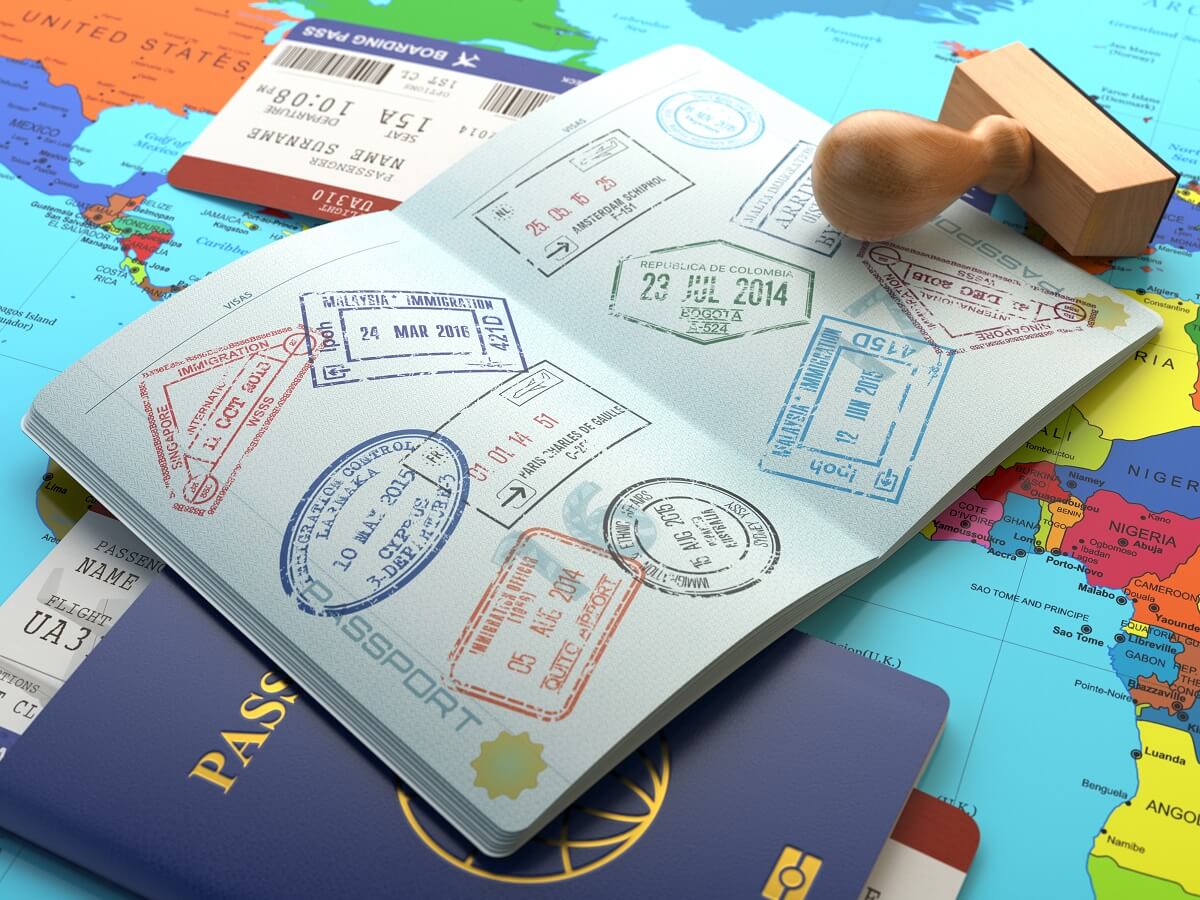
International travel requires more than a valid passport. Many countries require a visa, proof of travel medical insurance, confirmed accommodation, and evidence of sufficient funds before granting entry. Requirements vary based on your nationality, destination, and purpose of travel. Failing to present the correct documents can result in denied boarding, delays at immigration, fines, or refusal of entry.
This guide explains the essential international travel documents you need, including passport validity rules, visa requirements, insurance documentation, and acceptable proof of funds.
Passport Requirements for International Travel

A valid passport is the primary identification document required for international travel. Before booking a trip, travelers should review passport validity rules, page availability, and overall document condition to ensure compliance with entry requirements.
Six-month validity rule
Many countries require that a passport remain valid for at least six months beyond the date of entry or departure. If your passport expires within that timeframe, you may be denied boarding by the airline or refused entry upon arrival. Always verify the specific validity requirement of your destination and any transit countries.
Blank page requirements
Several countries require one or two blank visa pages for entry and exit stamps. These pages must be completely empty and cannot include amendment pages. If your passport is full, you must renew it before traveling.
Child vs. adult passport validity
Passport validity periods differ by age. In many countries, adult passports are valid for ten years, while passports issued to children under a certain age are valid for five years. Parents should check expiration dates carefully, as children’s passports expire sooner and cannot be extended.
Damaged passport issues
A passport that is torn, water-damaged, heavily worn, or altered may be considered invalid. Missing pages, unofficial markings, or significant cover damage can result in denied boarding or refusal at immigration. If there is visible damage, apply for a replacement before departure.
When to renew before travel
Travelers should consider renewing their passport if it will expire within the next year, has limited blank pages remaining, or shows signs of wear. Passport processing times can vary, so submitting a renewal application well in advance reduces the risk of travel disruption.
Visa Types and Entry Authorizations
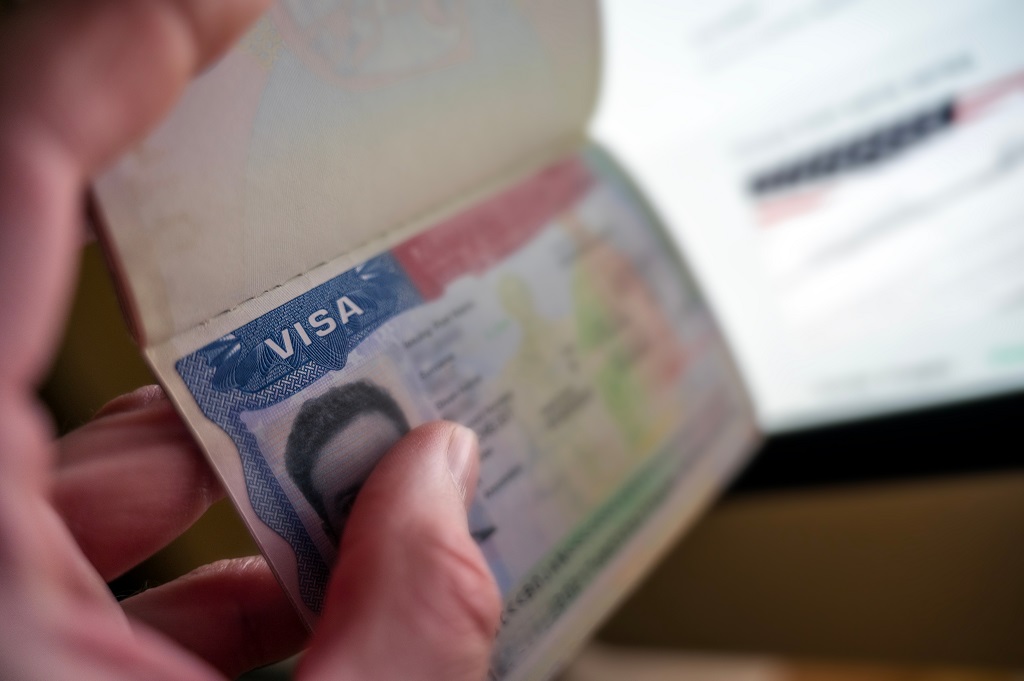
A visa is official permission granted by a country that allows a foreign national to enter for a specific purpose and duration. Visa requirements depend on your nationality, destination, and reason for travel. Travelers must verify requirements before departure, as airlines may deny boarding without proper authorization.
Common Visa Types
| Visa Type | Purpose | Typical Duration |
| Tourist Visa | Leisure travel, sightseeing | Short-term stay |
| Business Visa | Meetings, conferences, commercial visits | Short-term stay |
| Student Visa | Academic programs or long-term study | Duration of study |
| Work Visa | Employment in destination country | Contract-based |
| Transit Visa | Passing through a country en route to another destination | Very short-term |
Travelers must apply for the correct visa type. Entering a country with the wrong visa classification can result in fines, deportation, or future travel restrictions.
E-Visas, Visa on Arrival, and Embassy Visas
Countries issue visas through different processes:
- E-visa: Applied for and approved online before travel. Travelers receive electronic confirmation.
- Visa on arrival: Issued at the airport or border crossing upon entry. Eligibility depends on nationality.
- Embassy or consulate visa: Obtained in advance through a diplomatic mission. Often required for longer stays or specific travel purposes.
Processing times vary. Some embassy-issued visas require interviews, supporting documents, and several weeks for approval.
Electronic Travel Authorizations (ETAs)
An Electronic Travel Authorization is not a traditional visa but serves as pre-travel clearance. It is required by certain countries for visa-exempt travelers. Applications are submitted online, and approval is linked electronically to the passport.
Travelers must obtain approval before boarding. Airlines verify authorization status during check-in.
Overstay Consequences
Overstaying the permitted duration of stay can lead to:
- Monetary fines
- Deportation
- Entry bans
- Future visa denials
Travelers should monitor entry stamps and authorized stay periods carefully to remain compliant with immigration laws.
Travel Insurance Requirements by Destination
Many countries require proof of travel medical insurance as a condition of entry. Immigration authorities may request documentation showing active coverage for the full duration of your stay. Policies must meet specific minimum standards set by the destination country.
Countries That Require Mandatory Travel Insurance
Insurance requirements are common for:
- Schengen Area countries
- Certain Middle Eastern destinations
- Several Asian and Caribbean nations
- Countries issuing long-term or student visas
Travelers should confirm whether insurance is mandatory for tourists, students, or business visitors before departure.
Schengen Insurance Standards
For entry into the Schengen Area, travel medical insurance must:
- Provide minimum coverage of 30,000 EUR
- Cover emergency medical treatment
- Include hospitalization coverage
- Cover medical evacuation and repatriation
- Be valid throughout all Schengen member states
- Remain active for the entire duration of stay
Failure to meet these standards can result in visa refusal or denied entry.
Required Coverage Components
Even when insurance is not mandatory, many countries recommend coverage that includes:
- Emergency medical expenses
- Hospitalization
- Medical evacuation
- Repatriation of remains
- Trip interruption coverage
Immigration officers may request a certificate of insurance that clearly states coverage limits, validity dates, and the traveler’s name.
Documentation and Language Compliance
Some destinations require supporting documents, including insurance certificates, to be presented in the official language of the country or in English. Translations must be accurate and professionally prepared to avoid rejection at immigration checkpoints. Using professional providers such as Elmura Linguistics travel translation services helps ensure that insurance documentation meets official language and formatting requirements, reducing the risk of delays or entry refusal.
Travelers should carry both printed and digital copies of their insurance certificate to present upon request.
Proof of Funds Requirements and Financial Documentation

Many countries require travelers to demonstrate that they can financially support themselves during their stay. Proof of funds confirms that visitors will not seek unauthorized employment or rely on public assistance.
Financial requirements vary by destination and length of stay. Some countries set a minimum daily amount, while others require evidence of a total balance sufficient to cover accommodation, meals, transportation, and return travel.
Accepted Forms of Proof of Funds
Immigration authorities typically accept the following documents:
- Recent bank statements
- Official bank balance letters
- Credit card statements showing available credit
- Sponsorship letters with supporting financial documents
- Invitation letters confirming financial responsibility
- Prepaid travel cards or foreign exchange cards
- Scholarship or grant confirmation for students
Bank statements are usually required to be recent, often issued within the last 30 days.
Sponsorship and Financial Guarantees
If another person is covering travel expenses, authorities may require:
- A signed sponsorship letter
- A copy of the sponsor’s identification
- The sponsor’s bank statements
- Proof of relationship or invitation
Incomplete sponsorship documentation can lead to additional questioning or entry refusal.
Common Mistakes to Avoid
Travelers are frequently denied entry due to insufficient or improper financial documentation. Common errors include:
- Presenting screenshots instead of official statements
- Providing outdated bank records
- Showing insufficient available balance
- Submitting unofficial or altered documents
- Failing to demonstrate access to funds for the entire stay
Travelers should ensure that financial documents clearly display their full name, account details, and issuing institution. Printed copies are recommended even if digital versions are available.
Supporting Entry Documents Immigration May Request
In addition to a passport, visa, insurance certificate, and proof of funds, immigration authorities may request supporting documentation to verify the purpose and duration of travel. These documents help confirm that the traveler intends to comply with entry conditions.
Return or Onward Ticket

Many countries require proof of departure before allowing entry. A confirmed return ticket or onward flight reservation demonstrates that the traveler does not intend to overstay. Open-ended or one-way tickets may result in additional questioning.
Accommodation Confirmation
Travelers may be asked to provide proof of accommodation for the duration of their stay. Accepted documents include:
- Hotel reservations
- Short-term rental confirmations
- Invitation letters from a host
Reservations should clearly display the traveler’s name, address of stay, and booking dates.
Travel Itinerary
An organized itinerary outlining travel dates, cities, and planned activities may be requested to support the stated purpose of travel. This is especially common for business visitors or short-term tourists.
Minor Travel Consent Forms
When a minor is traveling without one or both parents or legal guardians, authorities may require:
- A notarized letter of consent
- Copies of parent or guardian identification
- Proof of guardianship or custody
Failure to provide proper authorization can result in denied boarding or refusal of entry.
International Driving Permit
Travelers planning to drive abroad may need an International Driving Permit in addition to their domestic driver’s license. Some countries require this document for vehicle rental or traffic compliance.
Supporting documents should be organized and readily accessible during check-in and immigration inspection. Printed copies are recommended even if digital confirmations are available.
International Travel Documents Checklist
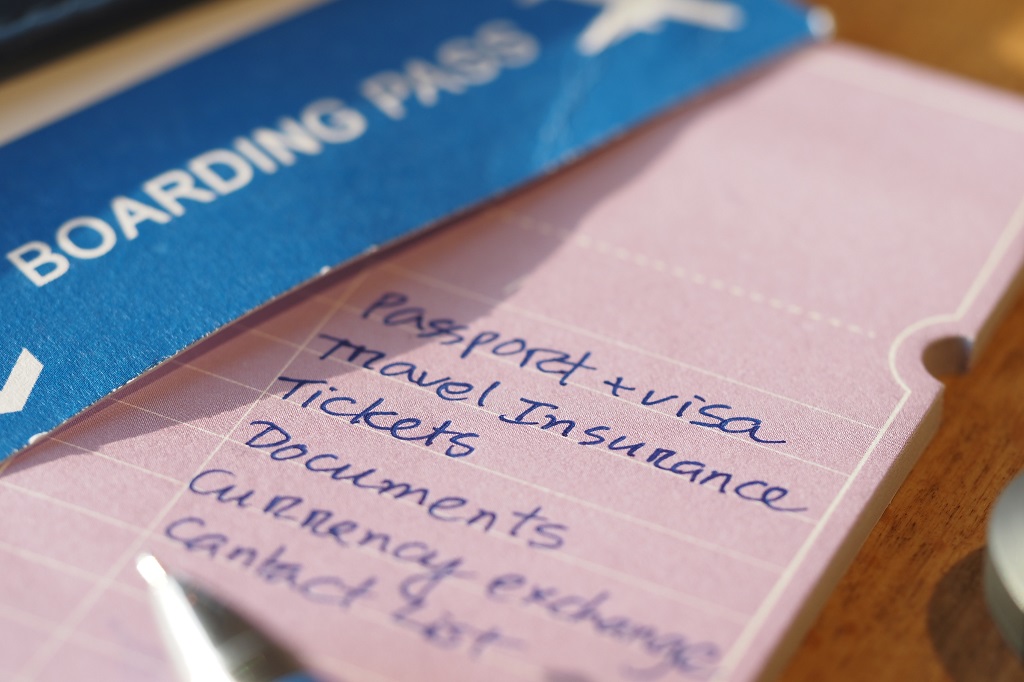
Use this checklist before departure to confirm compliance with entry requirements:
- Valid passport meeting destination validity rules
- Sufficient blank passport pages
- Correct visa or electronic travel authorization
- Travel medical insurance certificate meeting destination standards
- Proof of sufficient funds for the duration of stay
- Confirmed return or onward ticket
- Accommodation confirmation or invitation letter
- Sponsorship documents, if applicable
- Notarized minor travel consent forms, if required
- International Driving Permit, if planning to drive
Review entry requirements again shortly before departure, as regulations may change without notice.
Conclusion
International travel compliance depends on preparation and accurate documentation. Entry requirements vary by country and may change at short notice. Verifying passport validity, visa status, insurance coverage, financial documentation, and supporting paperwork before departure reduces the risk of delays or refusal.
Organized and complete travel documents support smoother border processing and lawful entry into your destination country.